
Past Projects
Supporting Refuge Expansion
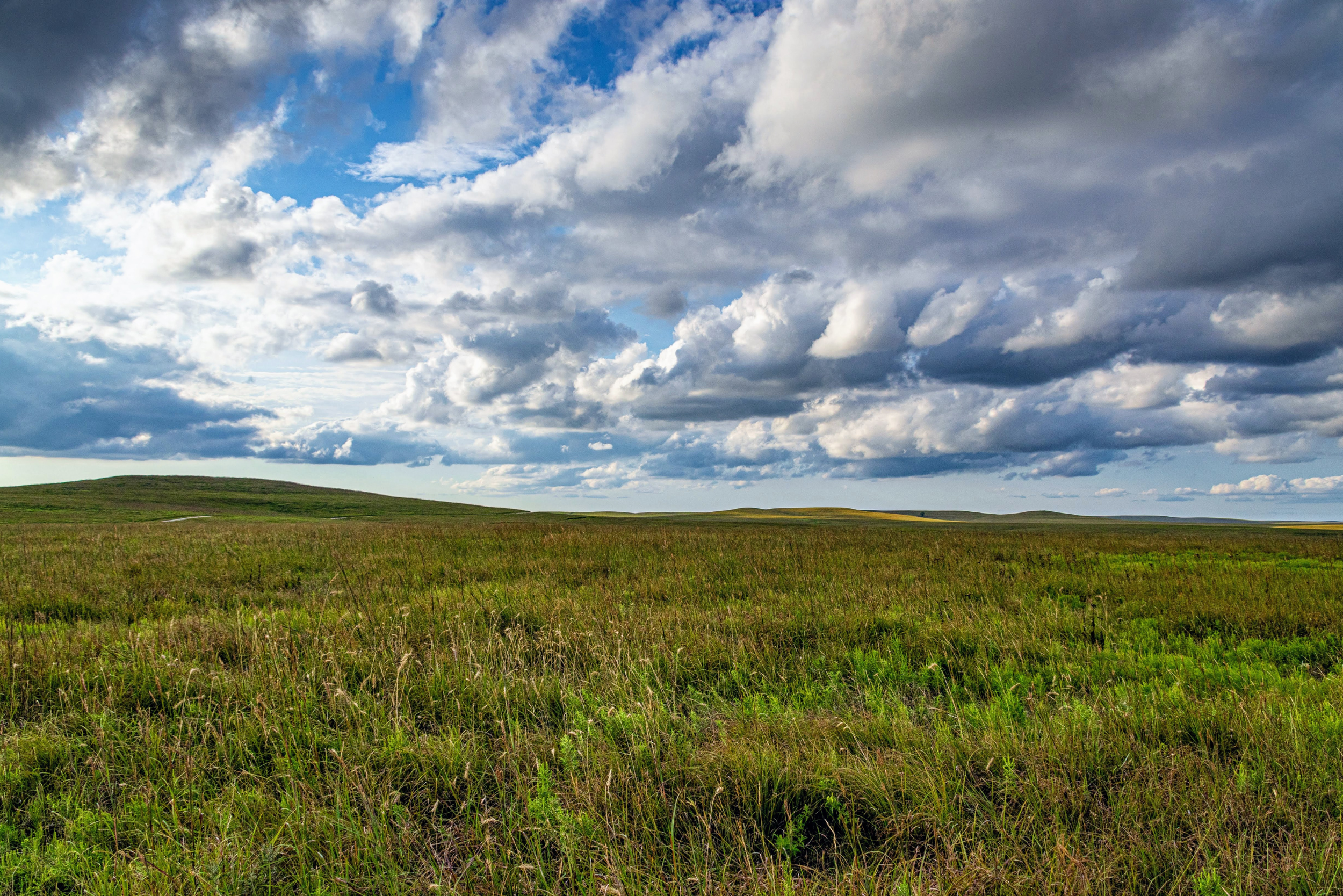
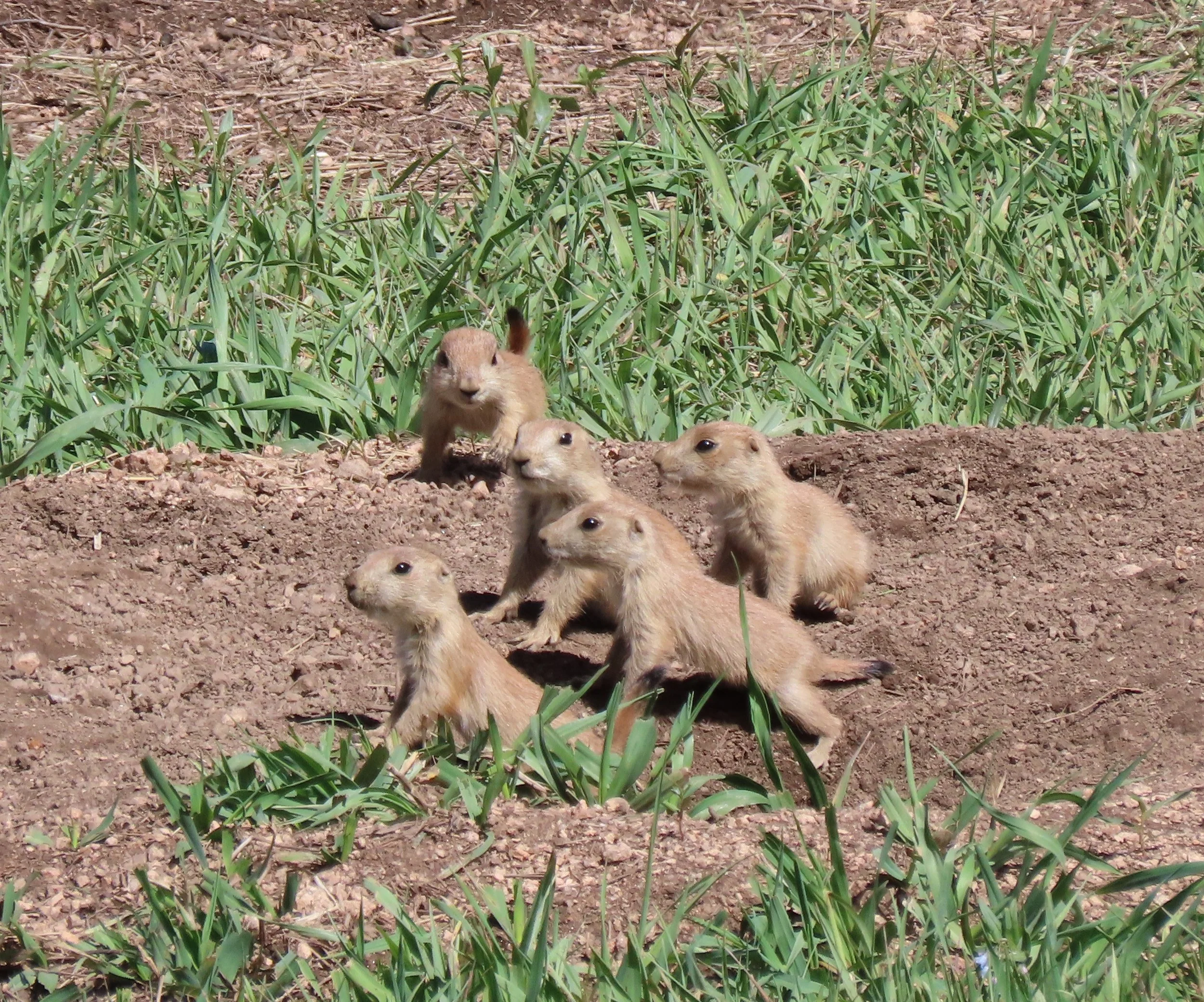
Prairie Protection Colorado has been a driving force in expanding safe relocation options for black-tailed prairie dogs by advocating for access to U.S. Fish and Wildlife Service lands. The organization helped open Rocky Flats as a relocation site and was the first to partner with the City of Pueblo to support its prairie dog relocation program. Both areas are being prepared for endangered black-footed ferret reintroductions. PPC has also enforced relocation ordinances, ensuring prairie dogs are relocated to protected habitat instead of exterminated.
Since its founding, Prairie Protection Colorado has worked to protect one of Colorado's most important yet misunderstood keystone species: the prairie dog. Over the years, our efforts have focused on defending prairie dog colonies from destruction, advocating for habitat conservation, promoting coexistence strategies, and raising public awareness about the critical role prairie dogs play in maintaining healthy grassland ecosystems.
While prairie dog conservation has always remained central to our mission, our work has extended far beyond individual colonies. Throughout our history, we have engaged in a wide range of wildlife advocacy efforts, recognizing that many of the decisions affecting Colorado's native species are made through policies, regulations, and management plans developed by the Colorado Wildlife Commission, the Colorado Legislature, and Colorado Parks and Wildlife. We have participated in campaigns addressing wildlife management practices, advocated for greater use of science in decision-making, and supported initiatives aimed at protecting biodiversity across the state.
Through public education, grassroots organizing, coalition building, testimony before decision-makers, media outreach, and citizen engagement, Prairie Protection Colorado has helped bring attention to wildlife issues that might otherwise have gone unnoticed. From challenging the persecution of native species to promoting more ecologically responsible management practices, our past projects reflect a commitment to ensuring that wildlife conservation is guided by sound science, compassion, and long-term ecological health.
The projects highlighted below represent some of the campaigns, initiatives, and conservation efforts that Prairie Protection Colorado has undertaken over the years. While some of these projects have concluded and others have evolved into ongoing efforts, each reflects our dedication to protecting wildlife, preserving Colorado's natural heritage, and empowering citizens to make a meaningful difference for the wild creatures and ecosystems that share our state.
Mountain Meadows
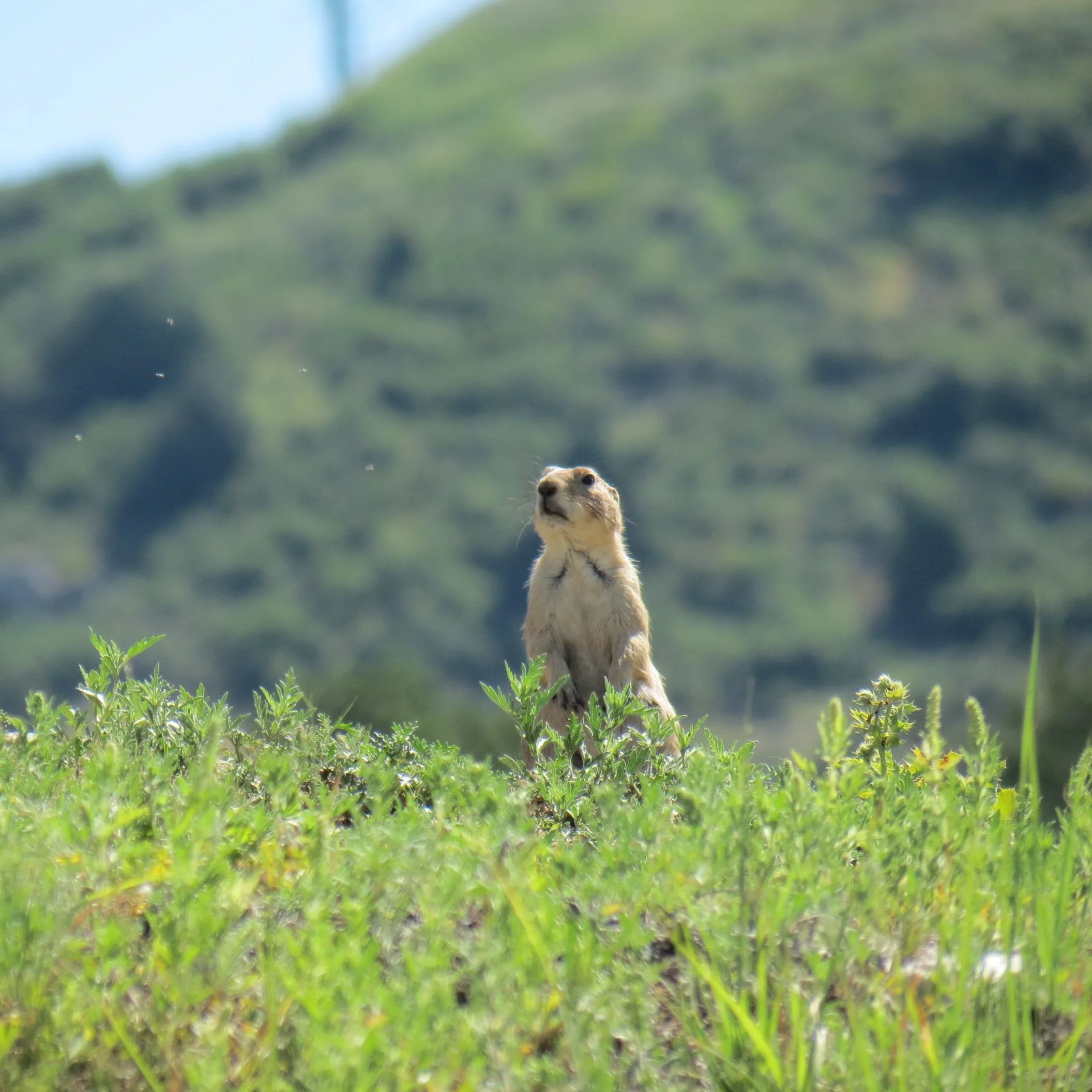
Prairie Protection Colorado was founded in 2015 during a community campaign to save a large black-tailed prairie dog colony in Castle Rock from destruction for a proposed shopping center development. Through public outreach, advocacy, and pressure on decision-makers, the effort secured the relocation of hundreds of prairie dogs to protected habitat rather than extermination. More than a local victory, the campaign launched a broader conservation movement that continues to protect prairie dogs, promote healthy grassland ecosystems, and empower communities to stand up for wildlife across Colorado.
Defeating HB16-1010
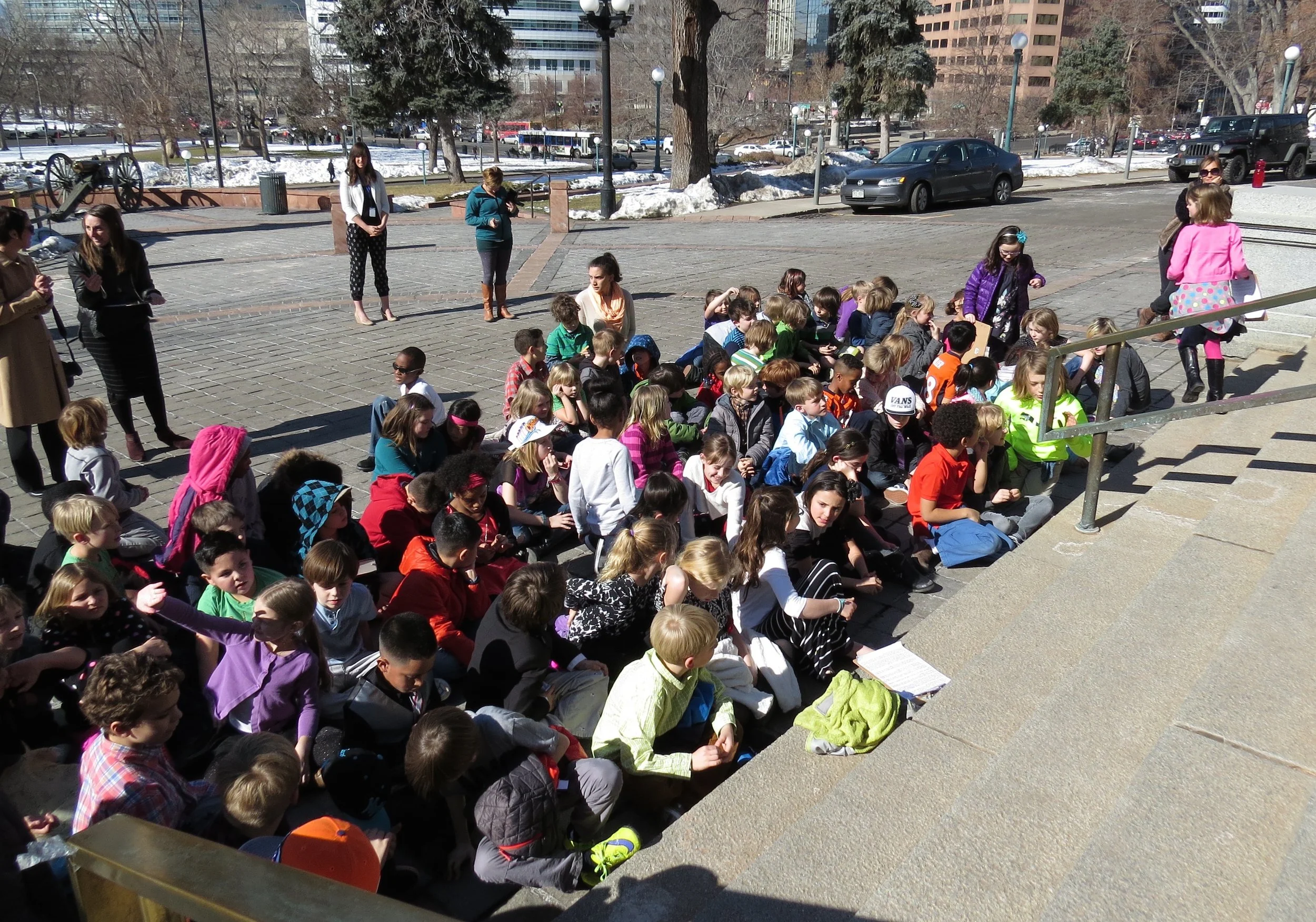
In 2016, Prairie Protection Colorado helped defeat House Bill 16-1010, a measure that threatened to make humane prairie dog relocations nearly impossible through burdensome new approval requirements. By mobilizing community members, conservation advocates, and eighty engaged third-grade students who testified at the State Capitol, the organization helped build opposition to the bill. The legislation was ultimately postponed indefinitely, preserving a critical conservation tool and demonstrating the power of grassroots advocacy to protect wildlife and their habitats.
Challenging Development
Prairie Protection Colorado has repeatedly organized resistance to local development proposals, poisoning programs, and extermination permits affecting prairie dog colonies throughout communities such as Centennial, Castle Rock, Boulder, Commerce City, Broomfield, Thornton, and other Front Range municipalities. The organization's model has focused on grassroots organizing, public education, media outreach, relocation efforts, and advocacy before city councils and county governments to prevent colony destruction whenever possible.