The Value of Keystone Species
A keystone species is an organism that holds an ecosystem together. While they are often not the most abundant or largest creatures in their habitat, their removal would cause the entire ecosystem to collapse or change drastically, similar to the center stone keeping an archway standing.
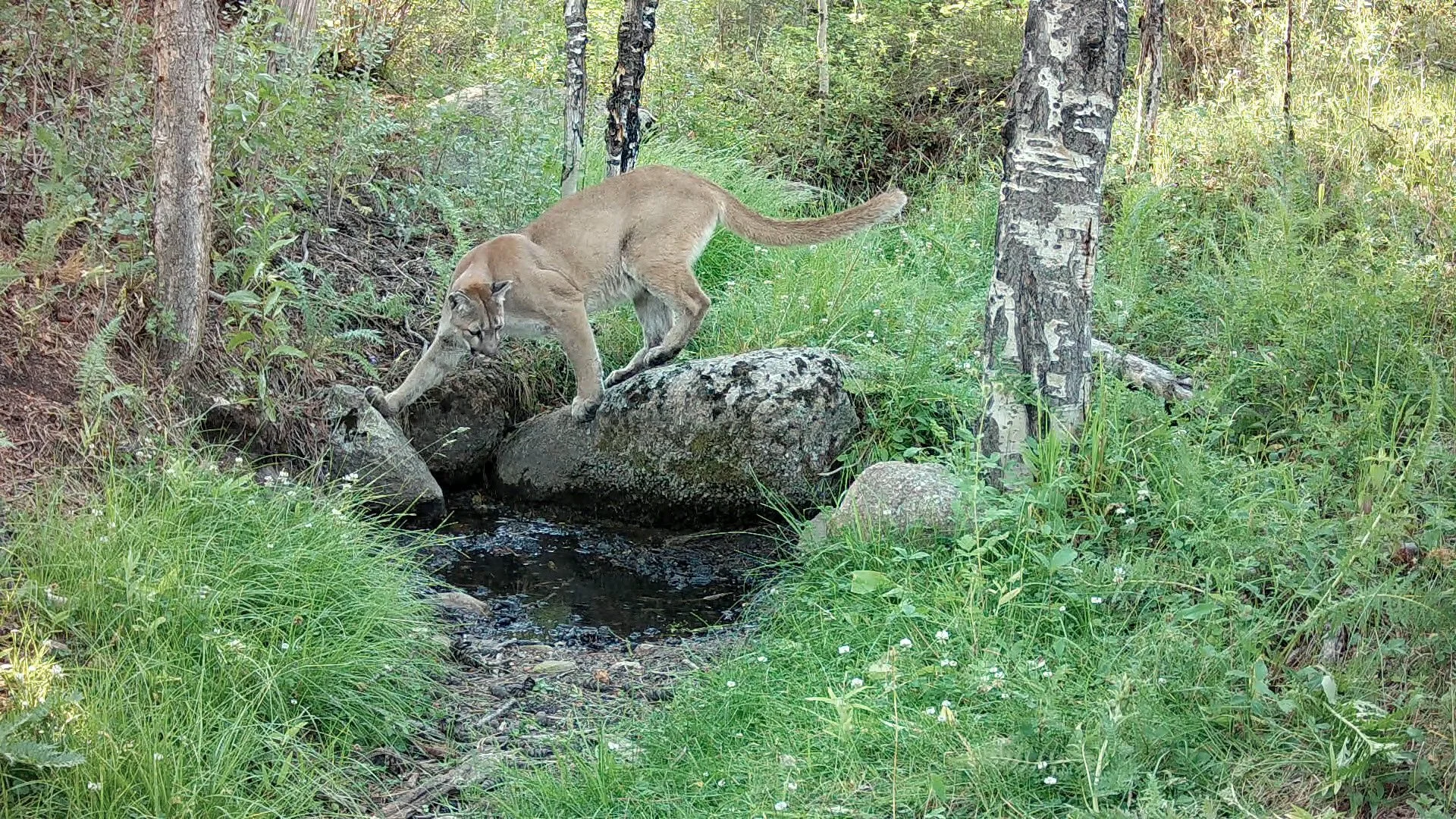
A mountain spring, a classic textbook example of the positive impact a keystone species has on the landscape it inhabits.
The connection became clear only after I learned about the concept of keystone species through ecologist Robert Paine's famous starfish experiments along the Washington coast in the 1960s. Suddenly, decades of observations made while studying mountain lions in the American West began to fall into place. Nowhere was this relationship more evident than at a remote mountain spring, hidden far from roads and trails, where the influence of a single predator rippled throughout an entire ecosystem.
Each year, from May through October, the spring and its surrounding riparian corridor remain remarkably lush and productive. Mountain lions help keep herbivores and omnivores moving across the landscape rather than lingering in one place long enough to overbrowse sensitive vegetation. As a result, grasses, shrubs, wildflowers, and young trees flourish, providing food, shelter, and breeding habitat for dozens of wildlife species, pollinators, and countless other organisms. The health of the entire biome is strengthened by the presence of an apex predator that most people rarely see.
When I first began studying and filming mountain lions more than two decades ago in northern Colorado and Montana, I assumed the cats were simply attracted to the best habitat available. In part, that appeared true. Mountain lions were frequently found in some of the most productive and biologically diverse places he explored. But over time, a different pattern emerged. The healthiest riparian areas consistently shared one characteristic: mountain lions were present.
The question gradually shifted from whether mountain lions were drawn to exceptional habitat to whether they were helping create and maintain it. Robert Paine's pioneering work provided the missing piece. As a keystone species, the mountain lion exerts an influence far greater than its numbers would suggest. Through its effect on prey behavior and distribution, the lion helps shape plant communities, wildlife abundance, and ecosystem function. What initially appeared to be a simple association between predator and habitat revealed itself to be something far more profound—a living demonstration of how one species can help sustain the ecological integrity of an entire landscape.
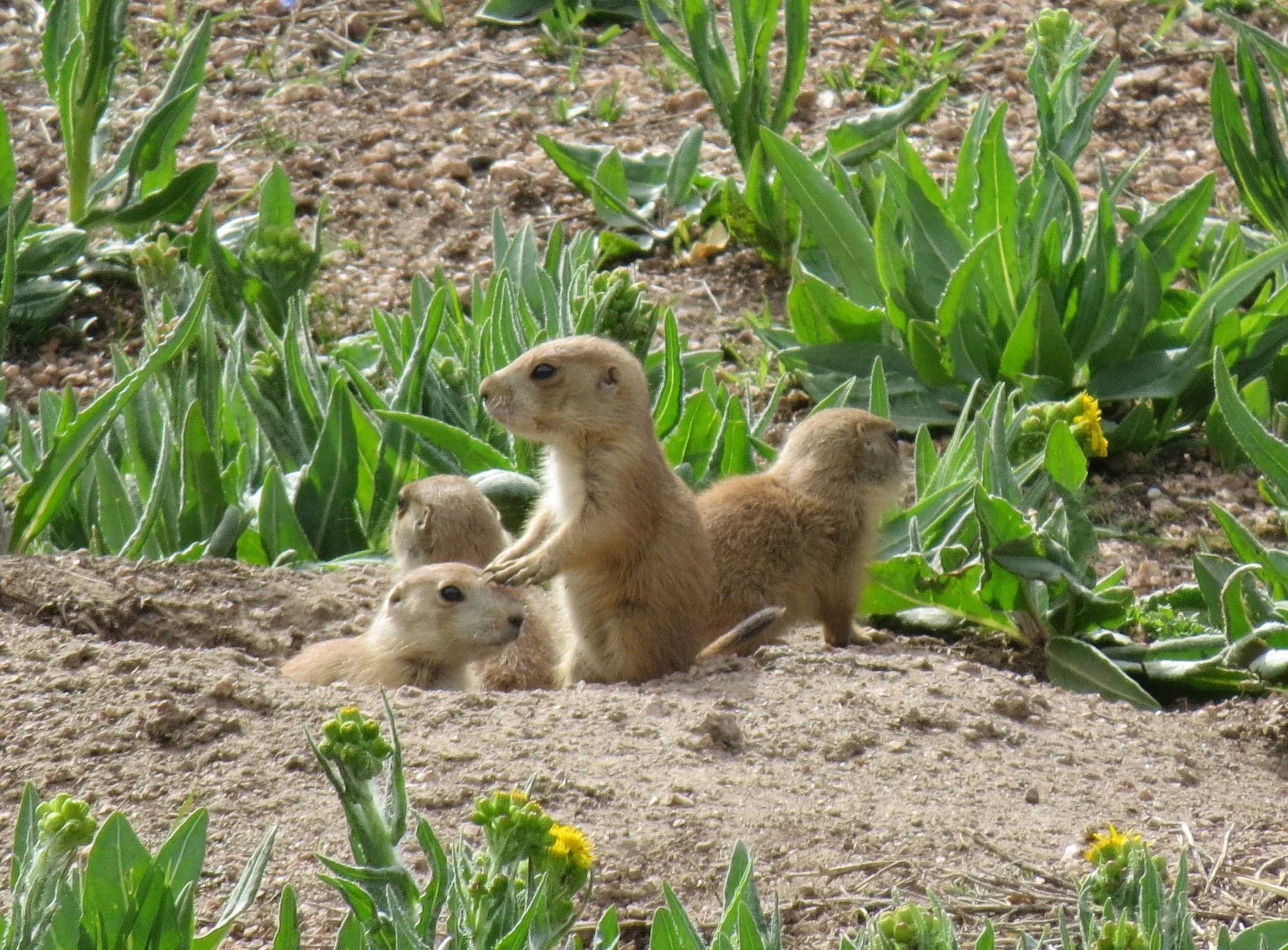
New prairie dog pups learning the ways of the colony.
A prairie dog is considered a keystone species because its presence has a disproportionately large effect on the health and biodiversity of the prairie ecosystem. Like the keystone in an arch, many other species and ecological processes depend on prairie dogs, even though the animals themselves make up only a small part of the landscape.
The influence of prairie dogs extends far beyond their burrows:
They Create Habitat for Other Wildlife
Prairie dog towns provide homes, hunting grounds, and nesting sites for dozens of species. Some of the most well-known include:
Burrowing Owl, which often nests in abandoned prairie dog burrows.
Black-footed Ferret, one of North America's most endangered mammals, which depends almost entirely on prairie dogs for both food and shelter.
Swift Fox, which uses prairie dog colonies for hunting and denning opportunities.
Ferruginous Hawk and many other raptors that rely on prairie dogs as prey.
More than 150 wildlife species have been documented using prairie dog colonies in some way.
They Engineer the Landscape
Prairie dogs are often called "ecosystem engineers."
Their digging:
Aerates the soil.
Increases water infiltration.
Mixes nutrients into the ground.
Creates microhabitats used by insects, reptiles, amphibians, and small mammals.
The result is healthier, more diverse prairie soils.
They Maintain Healthy Grasslands
By grazing vegetation and clipping taller plants around burrows, prairie dogs create a mosaic of short and tall vegetation across the prairie.
This diversity benefits:
Native pollinators.
Grassland birds.
Grazing animals such as American Bison and Pronghorn, which are often attracted to the nutritious regrowth found on prairie dog colonies.
They Support Predators
Prairie dogs are an important food source for numerous predators, including:
Coyotes
Badgers
Hawks
Eagles
Mountain lions in some regions
When prairie dog populations decline, the effects can ripple through the food web.
A Prairie Without Prairie Dogs Is a Different Prairie
Research has shown that when prairie dogs are removed from grasslands, plant diversity often declines, wildlife abundance changes, and species that depend on prairie dog colonies disappear. In many areas, the ecosystem becomes less resilient and supports fewer native species.
In the words of many grassland ecologists, prairie dogs are not merely residents of the prairie—they are among its architects. Their digging, grazing, and interactions with predators help shape the structure and function of one of North America's most endangered ecosystems. For that reason, prairie dogs are widely regarded as one of the most important keystone species on the Great Plains and shortgrass prairies of the American West.